

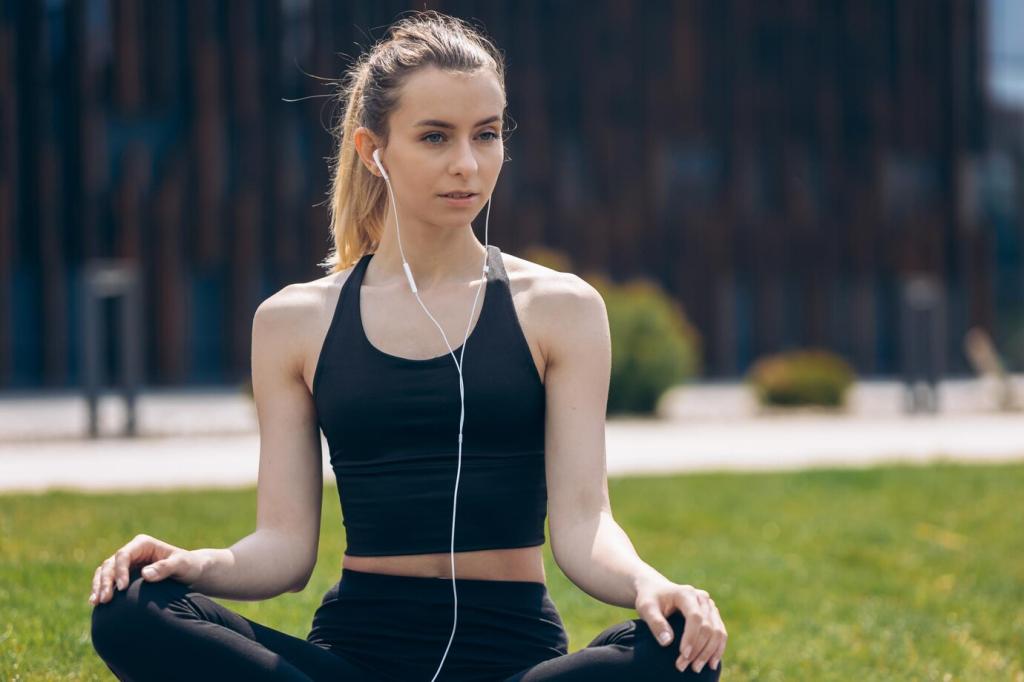
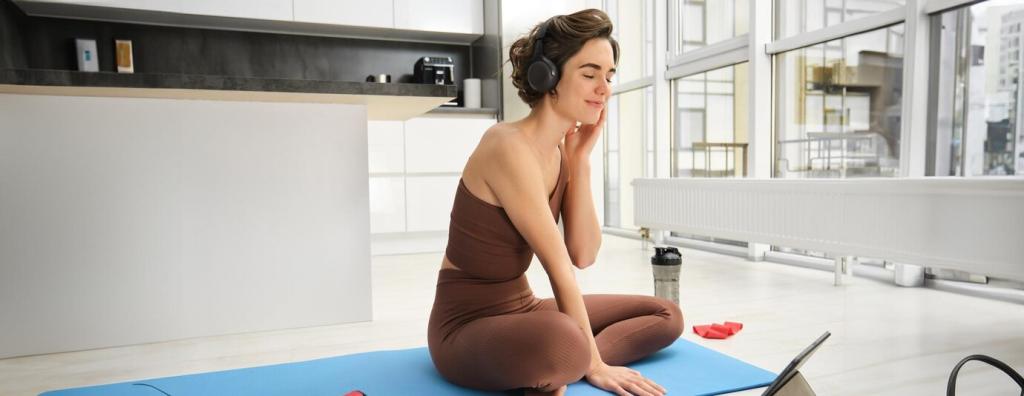
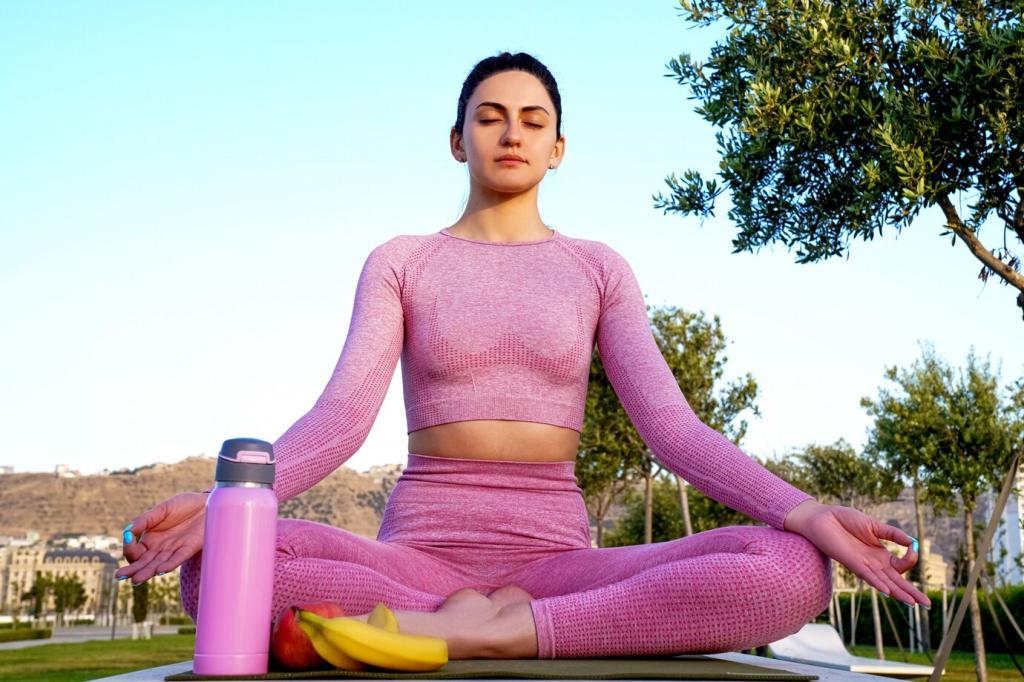
Chosen Theme: Guided Meditation Techniques for Fitness Enhancement. Breathe in, lace up, and train with intention. This is your space to turn inner calm into outer power, pairing mindful guidance with every workout. Join us, share your experience, and subscribe for fresh, coach-led meditations that sharpen focus, elevate performance, and make progress feel deeply personal.

The Mind–Muscle Bridge: Why Guided Meditation Elevates Training

When a guide cues steady nasal breathing before exercise, carbon dioxide tolerance rises, heart rate steadies, and muscles receive oxygen more efficiently. Over time, this simple practice can reduce mid-workout panic, improve pacing, and help you feel present rather than rushed. Try three minutes before warm-ups, then share your sensations and breakthroughs in the comments.

The Mind–Muscle Bridge: Why Guided Meditation Elevates Training

Mara, a 10K runner, used a weekly guided body scan to notice tight hips and racing thoughts without judgment. After a month, her perceived effort dropped even as her pace improved. She credits gentle prompts like “name the sensation” and “float the breath to the edges” for untangling mental fatigue. Tell us which cues resonate most with you.

Pre-Workout Primers: Short Guided Meditations That Switch You On

Five-Minute Breath and Posture Reset

Sit tall, inhale through the nose for four counts, exhale for six, repeat while aligning ribs over pelvis. A guide reminds you to soften the jaw and feel the floor under your feet. This primes diaphragmatic breathing and efficient bracing. Try it before your warm-up and comment on changes in stability and confidence.

Micro-Visualization of Today’s Key Movement

Listen as the guide walks you through your main lift or run segment: grip, foot pressure, bar path or stride length, hip drive, and smooth exhale. Seeing each step in your mind reduces hesitation and refines technique. Afterward, log how many cues you carried into action, and share which images boosted your execution.

Meditation Inside the Workout: Focused Cues for Reps, Pace, and Flow

A coach counts breath to steps or strokes—inhale for three, exhale for two—keeping rhythm stable as intensity climbs. The mind hooks onto numbers, reducing chatter and drift. Try it during your next tempo segment, then share whether your perceived exertion smoothed out and how your splits compared across intervals.

Recovery Rituals: Guided Practices That Speed Repair and Growth

Lie down, follow a slow sweep of attention from toes to scalp, and let the guide stretch exhalations. Ten to twenty minutes can lower cortisol and replenish focus, making your next session sharper. Try it after your toughest day, then comment on soreness, mood, and readiness the following morning.

Recovery Rituals: Guided Practices That Speed Repair and Growth

A soothing script pairs longer exhales with imagery of warmth spreading through tight musculature. This reframes discomfort as information rather than threat, encouraging gentle mobility and better circulation. Track whether your range of motion returns faster, and tell the community which metaphors made relaxation click for you.

Recovery Rituals: Guided Practices That Speed Repair and Growth

Fifteen minutes before bed, cue soft nasal breathing, dim a mental “dimmer switch,” and release the day’s effort log. Listeners often fall asleep faster and wake up less. Try it for a week, compare your resting heart rate or HRV trends, and share the routine that gives you the calmest mornings.

Mental Toughness Without Tension: Competition-Day Scripts

01
Your guide leads five breaths, two sensory anchors, and one mantra. You feel the ground, hear distant cheers, and choose a simple cue like “smooth power.” Anxiety becomes useful energy. Try this routine at your next event and tell us how it influenced your first minutes of performance.
02
Visualize unavoidable hiccups—slippery grip, crowded lane, early lactic burn—while maintaining steady breath and posture. Rehearsed responses prevent surprise from derailing execution. After testing in a hard workout, share whether your recovery between surges improved and how quickly you refocused after small mistakes.
03
A gentle debrief invites gratitude, objective notes, and one micro-win to celebrate. This reduces rumination and preserves motivation for the training block ahead. Record a quick voice memo after your cool-down, then comment with your key insight so others can refine their own process.

Habit Architecture: Making Guided Meditation a Training Staple

Pair a visible cue—placing headphones on your gym bag—with a fixed routine—three-minute pre-lift primer—and a reward—checking one satisfying box on your calendar. Over weeks, the ritual becomes automatic. Share your cue and reward ideas so the community can borrow what works.
Robertrecipes
Privacy Overview

This website uses cookies so that we can provide you with the best user experience possible. Cookie information is stored in your browser and performs functions such as recognising you when you return to our website and helping our team to understand which sections of the website you find most interesting and useful.