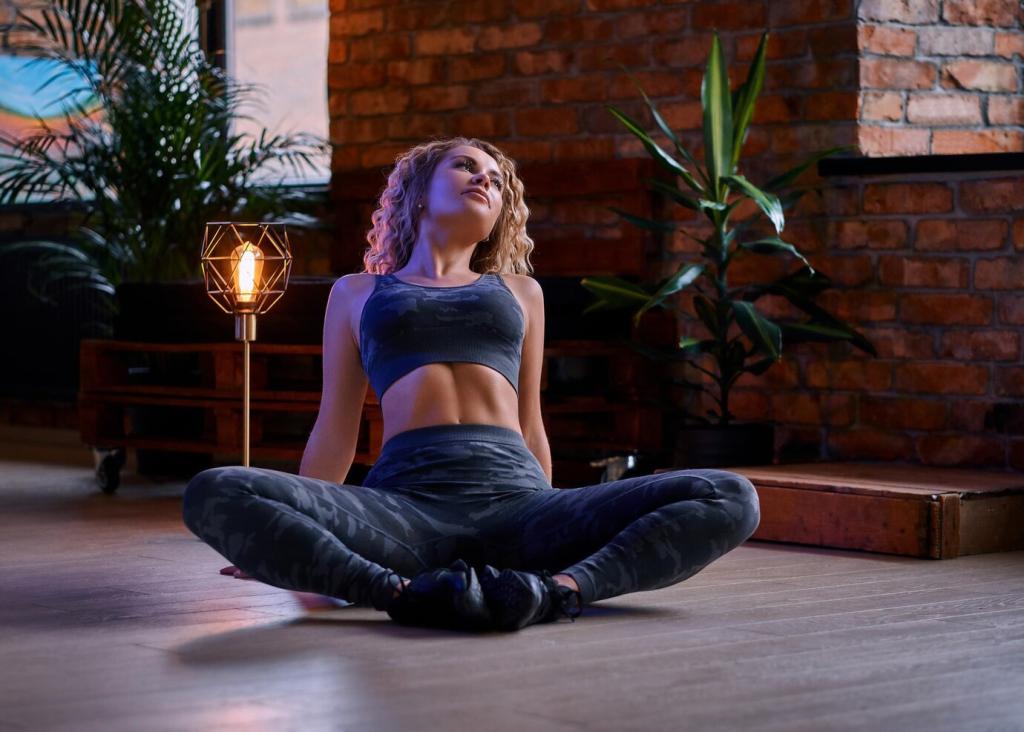
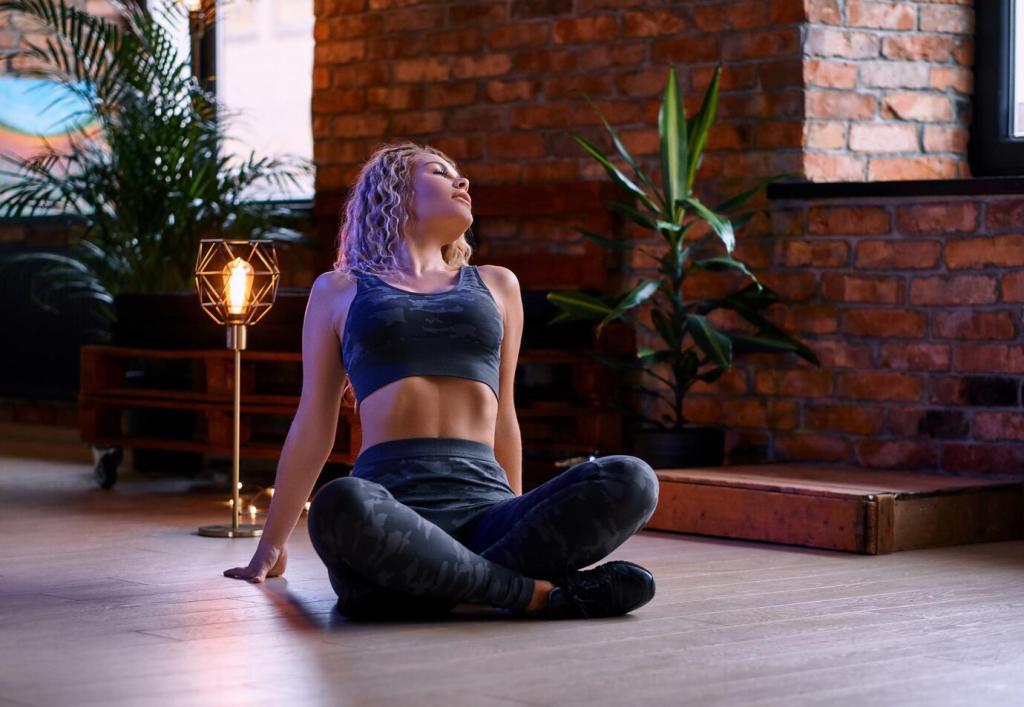
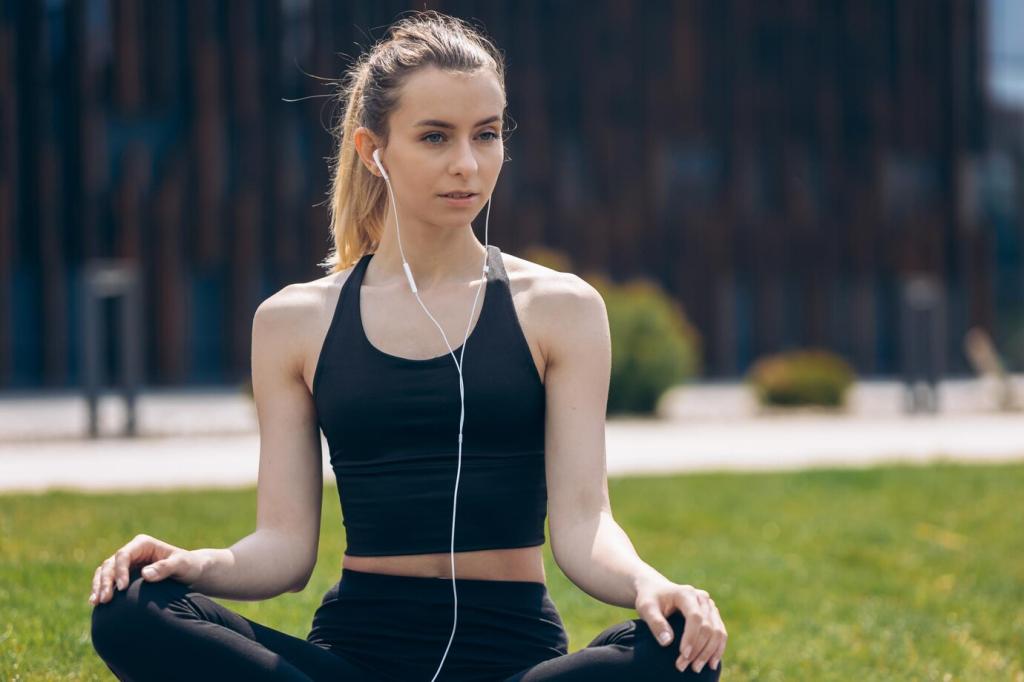
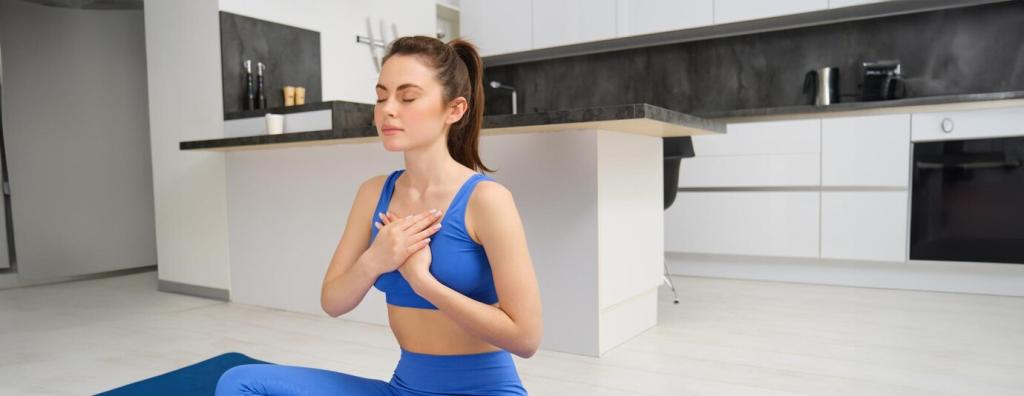
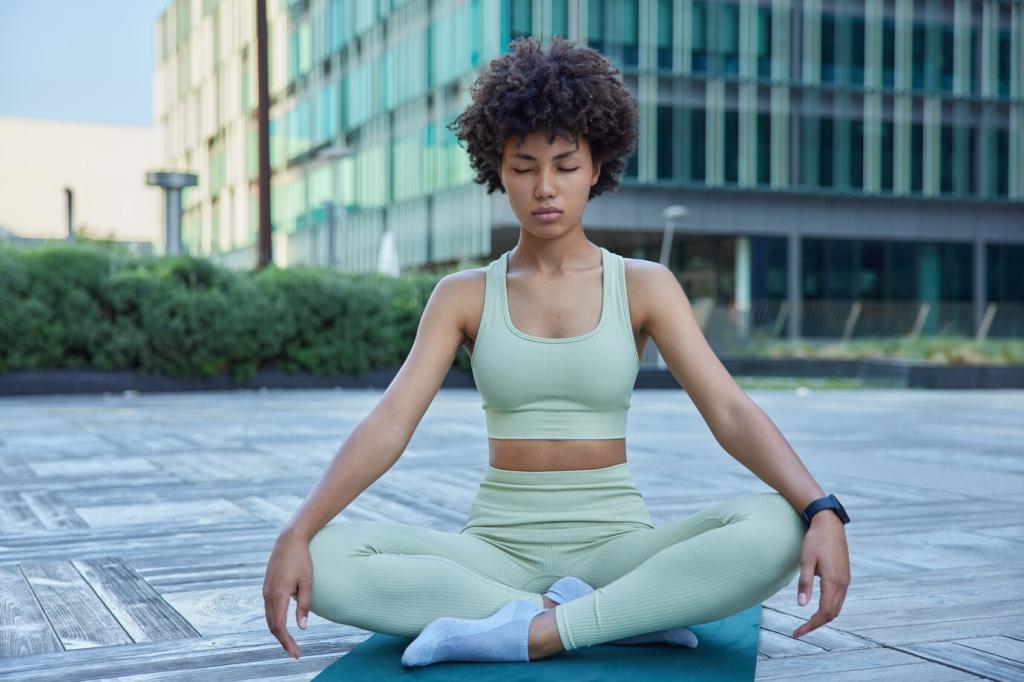
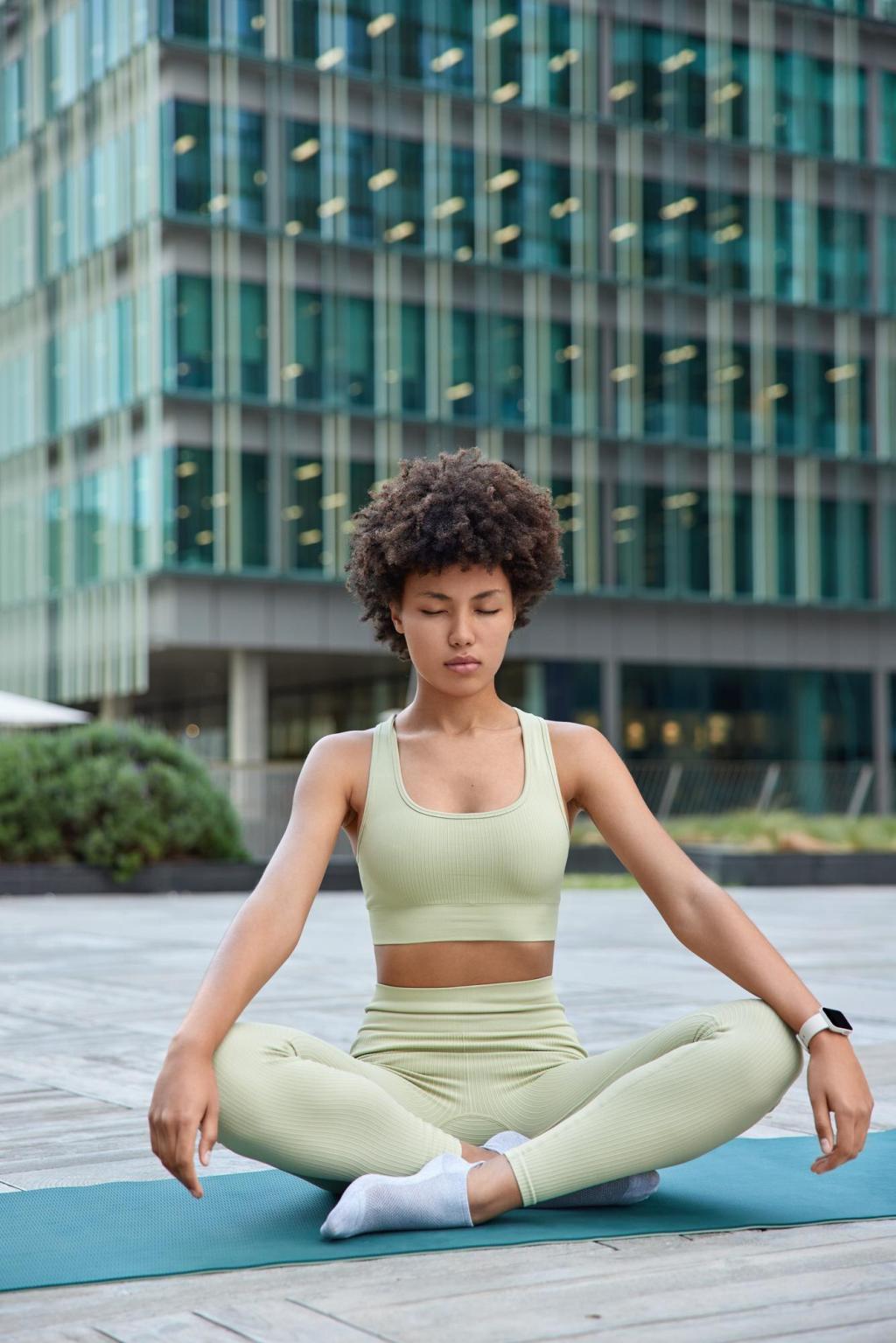
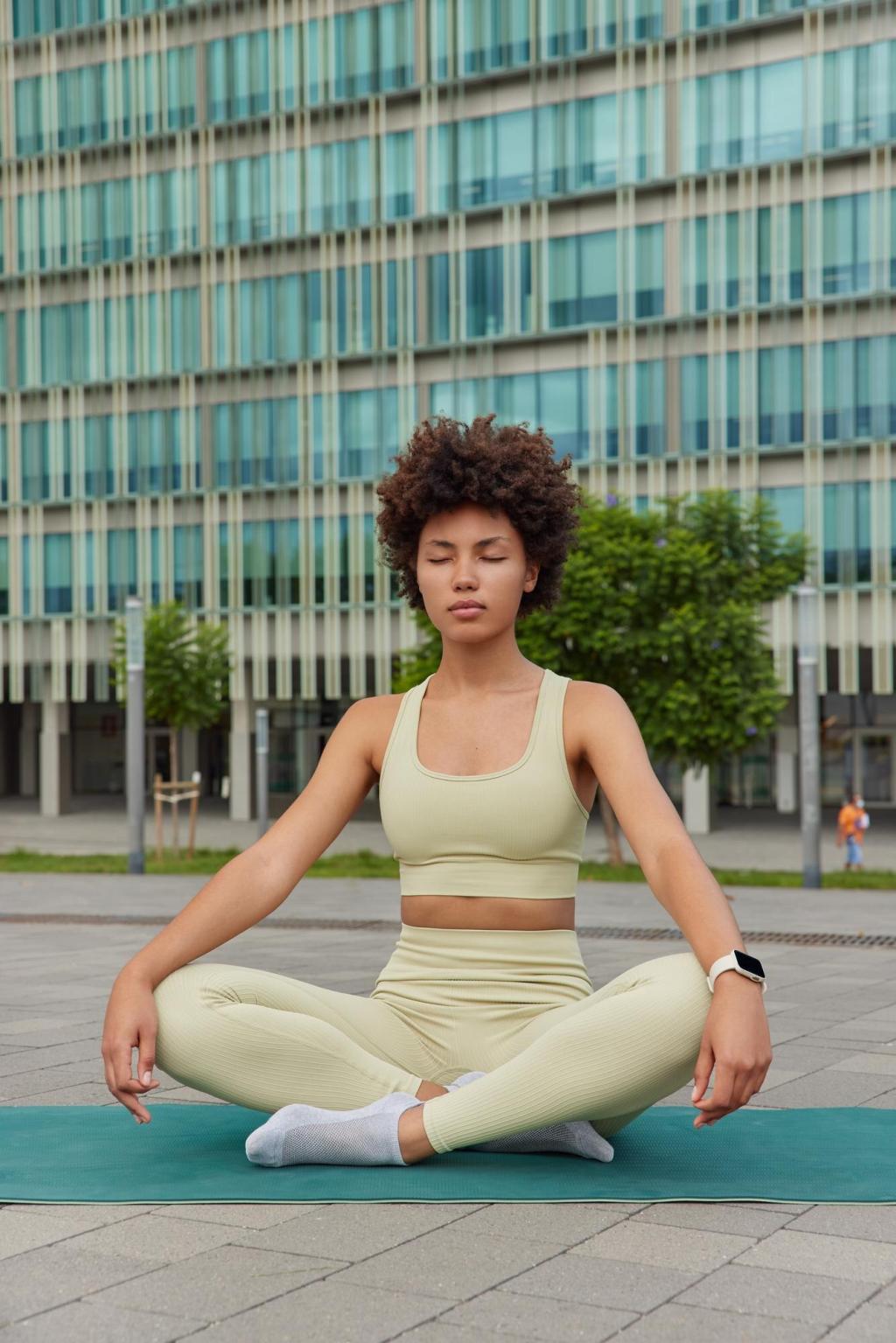
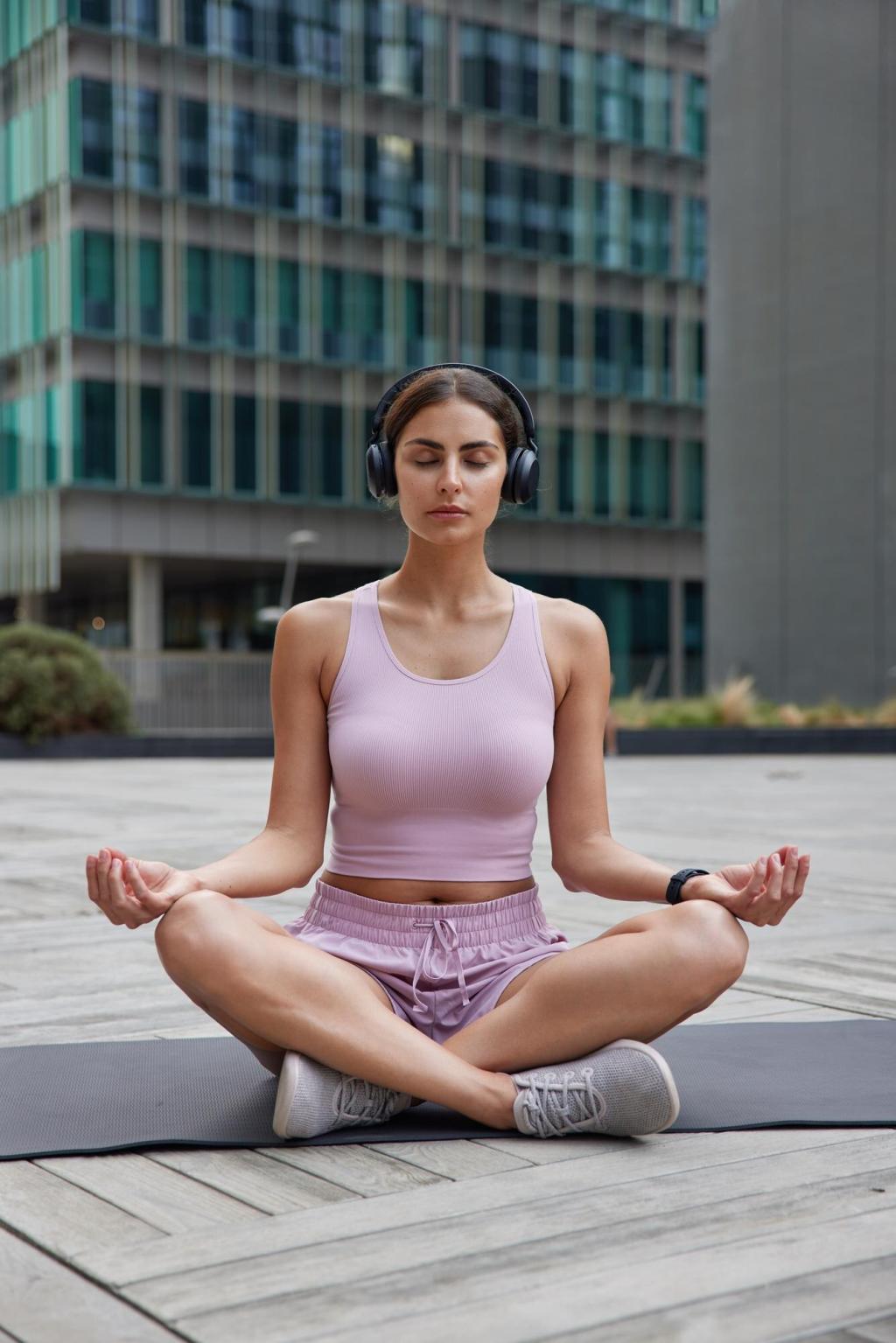
Chosen theme: Stress Reduction Meditations for Athletes. Welcome to a focused space where breathwork, mindfulness, and brief mental resets help you stay calm under pressure, recover faster, and compete with clarity. Subscribe for weekly routines, real stories, and science-backed techniques tailored for training, travel, and game day.
Short, targeted meditations lower perceived stress and help regulate cortisol, which supports steady hands, precise footwork, and confident choices. Many athletes also report improved heart rate variability, a marker of adaptability your body needs in clutch moments.
Lie down, close your eyes, and scan from toes to brow. Soften calves, hip flexors, and shoulders—areas that hoard effort. Breathe into each zone for three counts, exhale for six, and imagine heaviness draining into the floor like warm sand.
Recovery Meditations After Intense Training
Try four-count inhales and six-count exhales for five minutes. The slightly longer out-breath nudges your body toward a restful state, supporting digestion, tissue repair, and steadier sleep—recovery pillars every athlete needs between sessions.
Hotel Room Meditation Toolkit
Dim lights, place a towel on the floor, and sit against the bed for back support. Do five minutes of nasal breathing, slow and quiet, while relaxing the jaw and tongue. Finish with ten gentle shoulder rolls to release travel stiffness.
Jet Lag and Breath Timing
On arrival, take a fifteen-minute daylight walk and practice three-second inhale, seven-second exhale breathing. The longer exhale promotes calm, while sunlight cues your body clock, making it easier to fall asleep at the new local time.
Community Check-In
Share your best on-the-road meditation hacks—earplug-free focus, curtain clips, or playlists that drown hallway noise. We’ll compile the top five athlete ideas in next week’s email. Subscribe to see your tips featured and help fellow travelers.
Mindset for Comebacks and Slumps
Close your eyes and label thoughts as “planning,” “worry,” or “self-critique.” Naming interrupts spirals and makes room for skillful action. Two minutes daily can soften harsh self-talk so training choices become smarter, not more desperate.
If you use a watch or ring, note heart rate variability alongside perceived calm after sessions. Look for trends, not perfection. The goal is recognition: which meditations reliably move you from wired to steady before key workouts or games?
Data Meets Mindfulness
For two weeks, alternate days with a three-minute pre-practice meditation versus none. Log focus, execution errors, and nerves from one to ten. Simple experiments help you personalize stress tools instead of guessing under pressure.