
Chosen theme: Post-Workout Relaxation Meditations. Exhale the effort, inhale the ease. Welcome to a gentle space where your training ends and true recovery begins—through guided calm, soft focus, and mindful release. Subscribe for weekly meditations, routines, and recovery stories that keep your progress compassionate and sustainable.

Why Post-Workout Relaxation Meditations Matter

Mindful cooldowns help activate the parasympathetic nervous system, easing heart rate and reducing cortisol. This shift encourages better tissue repair, steadier mood, and a clearer mind, turning your finish line into a meaningful and restorative reset.

Why Post-Workout Relaxation Meditations Matter

Training creates micro-stress; recovery converts it into growth. A short meditation right after exercise guides your body from bracing to softening, helping muscles unclench and joints feel less guarded, which supports healthier movement patterns over time.

A 10-Minute Guided Cooldown Meditation

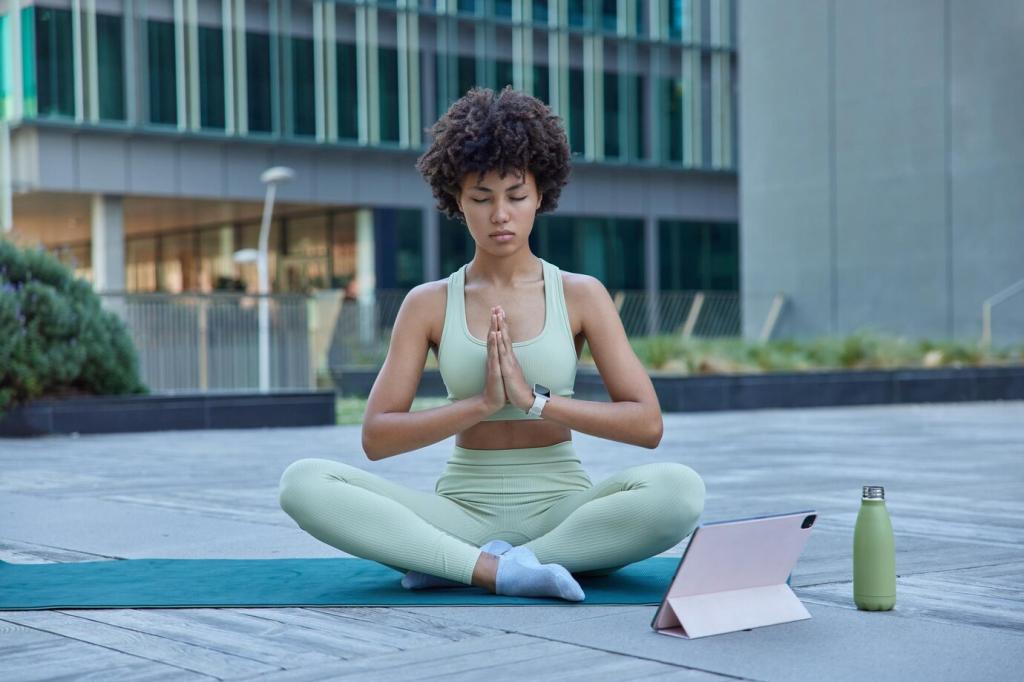
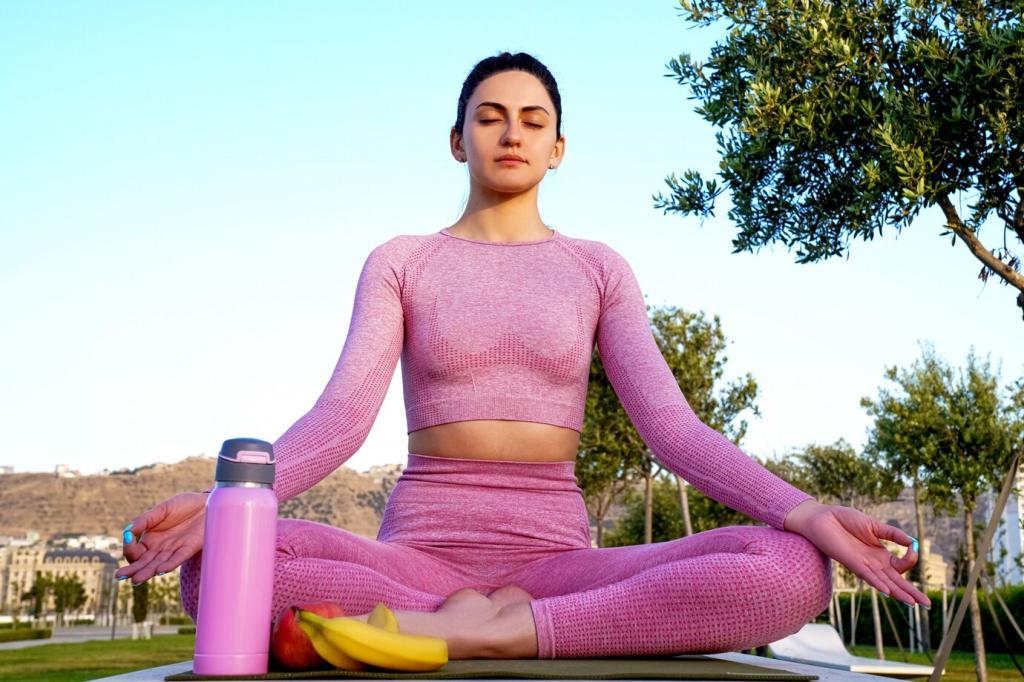
Sit or lie down. Inhale through the nose for four, exhale for six. Notice the warm heaviness of your body. With each exhale, imagine releasing the last set, the final sprint, and every lingering edge of effort from your day.

A 10-Minute Guided Cooldown Meditation

Sweep your attention from forehead to toes. Where you find clenching, breathe there. Shoulders melt downward, jaw loosens, abdomen unknots. Let the floor or mat carry your weight as you accept the strength you built today.
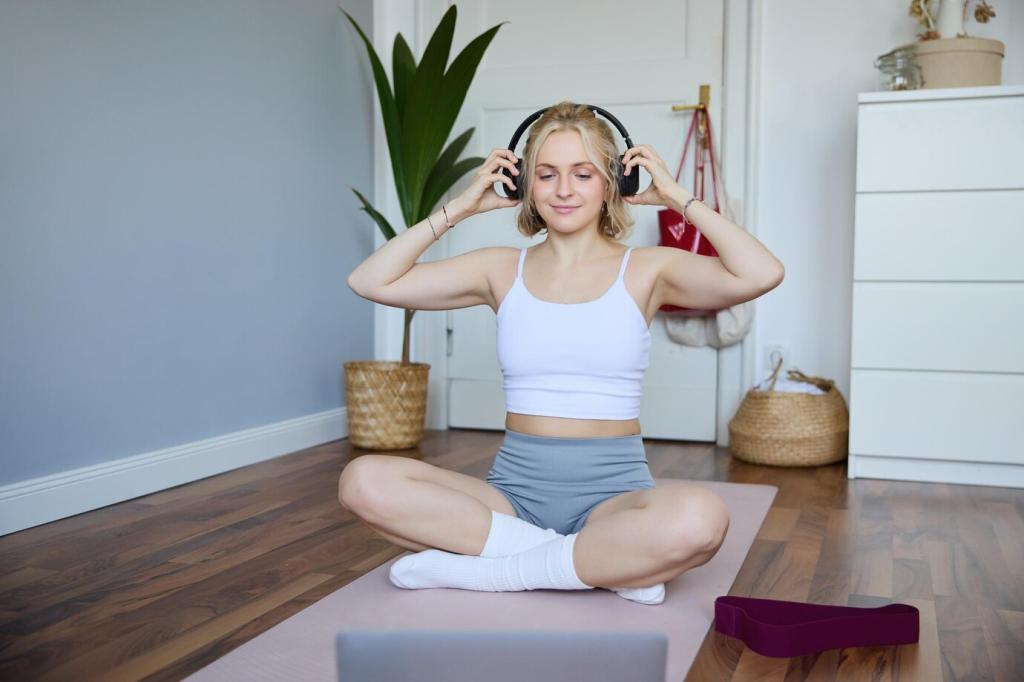
Dim a lamp, roll out your mat, and place a towel under your head. Keep a water bottle nearby. When your setup is consistent, your body recognizes the cue and eases into meditation faster without willpower or second-guessing.

Design Your Recovery Ritual

Stories from the Cooldown: Real Moments of Reset

After tempo runs, Maya felt wired and sleepless. She tried an eight-minute breath-and-body scan on her yoga mat. Within a week, her evening heart rate dropped faster, and she fell asleep before midnight without scrolling herself awake again.

Stories from the Cooldown: Real Moments of Reset

Jon benched a personal best but felt cranky and foggy. A short visualization—warm light moving through his chest, shoulders, and triceps—eased lingering tension. He reported fewer next-day aches and a steadier mood at work meetings.

Troubleshooting the Restless Post-Workout Mind

Begin with standing breaths and slow walking for two minutes before lying down. Match steps to your exhale, then gradually lengthen it. Transition to stillness only when your breath feels like it’s guiding, not chasing, your heartbeat.

4–6 Relaxation Breathing

Inhale four counts, exhale six. Repeat for two to five minutes. The longer exhale helps your body lean into restoration. It’s ideal right after training when your system needs a clear, gentle signal to settle and restore.

Physiological Sighs

Take a deep nasal inhale, add a small top-up inhale, then exhale slowly through the mouth. Two to five rounds reduce internal pressure and mental noise. Use this when you feel edgy, chatty, or not quite done with the workout’s intensity.

Box Breathing with a Softer Edge

Try three counts in, three hold, three out, three hold. Keep it light, never strained. This rhythm stabilizes attention and creates a calming container that fits neatly between your last set and your first sip of water.

Track What You Feel to Deepen Recovery

Write one line about your body and one about your mind: “My legs feel…” and “My mood feels…”. Over a week, look for trends. Share a snapshot with us, and we’ll suggest a targeted meditation tweak tailored to your pattern.

Track What You Feel to Deepen Recovery

After your meditation, place a finger on your pulse and count for thirty seconds. Notice steadiness more than speed. A smoother rhythm often signals your system has shifted into recovery, even before any wearable confirms it.
Robertrecipes
Privacy Overview

This website uses cookies so that we can provide you with the best user experience possible. Cookie information is stored in your browser and performs functions such as recognising you when you return to our website and helping our team to understand which sections of the website you find most interesting and useful.