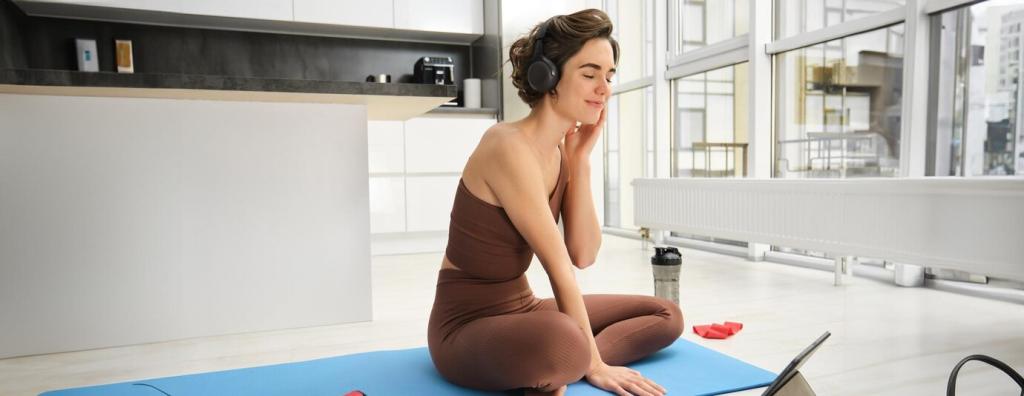
Chosen theme: Mindfulness Practices for Athletic Performance. Welcome to a space where focus, breath, and purposeful awareness turn pressure into performance. Stay present, move smarter, and subscribe for weekly drills that strengthen your mental game alongside your physical training.
Athletes face constant noise: crowds, opponents, and inner chatter. Mindfulness clears mental fog, helping you process cues faster and act with intention. When attention is trained, decisions feel smoother, reaction time improves, and mistakes don’t spiral into momentum-killing doubt.
Why Mindfulness Matters on Game Day
Before a championship meet, Maya kept false-starting in practice. She learned a three-breath ritual: in through the nose, out twice as long, soft gaze on lane markers. On race day, her breath set the rhythm, she felt grounded, and she posted a personal best.
The Core Routine: Breath, Body, and Briefing
Box Breathing in Ninety Seconds
Inhale four counts, hold four, exhale four, hold four. Repeat six rounds. This balances your nervous system, steadies hands, and lowers pre-performance jitters. Use it in the tunnel, at the baseline, or before a lift to feel calm power, not sluggish calm.
Two-Minute Body Scan for Athletes
Start at the feet and move upward, naming sensations without judgment: tight calves, buzzing quads, relaxed shoulders. Release tension on the out-breath. A quick scan reveals subtle tightness that steals speed, helping you make precise adjustments before they cost a rep or a race.
The Pre-Performance Briefing
State one objective, one feel, and one cue: “Attack first step, feel tall through hips, cue is ‘length.’” This mindful briefing prevents overthinking and keeps attention on controllables. Comment your three-part briefing today and refine it with our community’s feedback.
Heart rate variability rises with regular mindfulness, signaling better recovery and adaptability under pressure. Many athletes track HRV to personalize training loads. Notice how a steady breath practice correlates with deeper sleep and smoother efforts on your toughest intervals.
When errors happen, name it once, breathe once, refocus once. This micro-ritual stops rumination from hijacking the next moment. The skill is speed: acknowledge, exhale, execute. Practice after practice so it’s ready when the crowd is not friendly and time is not kind.
In-Play Resets When Pressure Spikes
Use consistent anchors—touch the laces, feel the ground, soften the jaw—to re-enter the present. These tactile cues tether attention to action. Share your favorite anchor with us, and we’ll feature creative ideas athletes use across sports to reset faster.
Mindful Recovery, Sleep, and Injury Rehab
Sleep Rehearsal Protocol
Before bed, dim lights, do four slow breaths, and visualize tomorrow’s key set going smoothly. Then release it. This routine lowers arousal, shortens sleep latency, and reduces nighttime rumination that erodes recovery. Subscribe for our printable pre-sleep checklist athletes swear by.
Pain Without Panic
Mindfulness separates sensation from story. Instead of “my knee is ruined,” notice warmth, pressure, or pulling, then adjust. This reduces fear-avoidance behaviors and supports steady progress. Journal the sensations, not the catastrophes, and share one insight that helped you keep training wisely.
Rehab as Attention Training
Slow exercises demand precise awareness. Track breath tempo with each rep, scan alignment, and rate focus afterward. Mindfulness turns tedious rehab into skill practice, preserving competitive identity and cultivating patience, which you’ll cash in during a tight finish or decisive set.
Track distractions during training, do five minutes of breath work daily, and note two performance moments that felt clear. Awareness precedes change. Comment your biggest distraction and we’ll suggest a tailored anchor to neutralize it next session.