
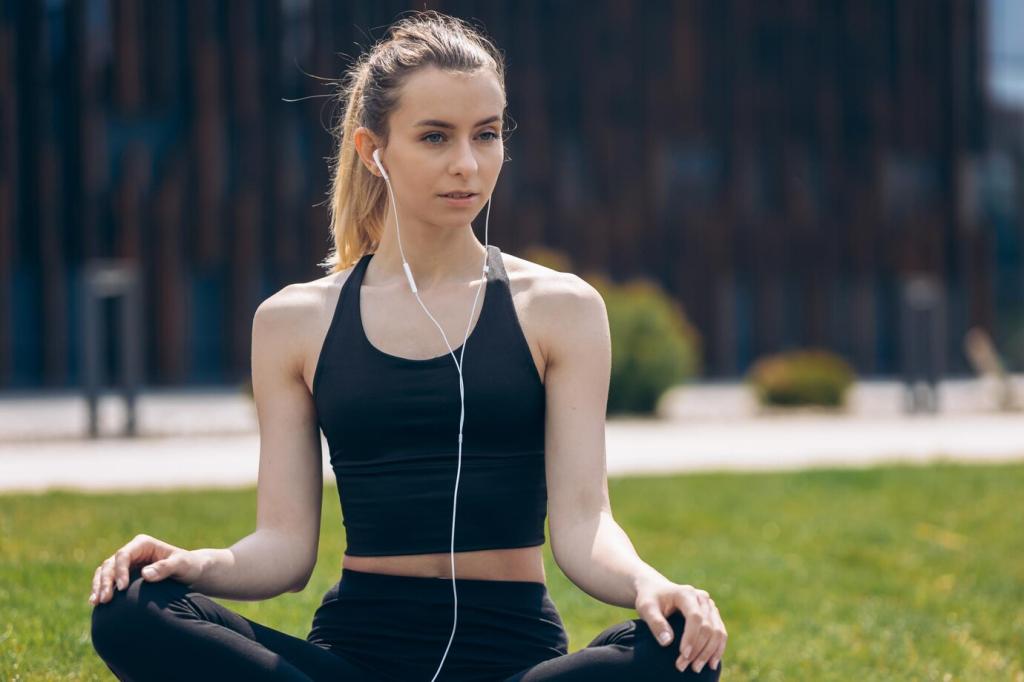
Today’s theme: Visualization Meditation for Fitness Goals. Imagine your breath steady, muscles ready, and the finish line vivid in your mind before a single step or rep. Here, we turn mental imagery into physical momentum with practical scripts, science-backed tactics, and inspiring stories. Join the conversation, share your goal, and subscribe for weekly guided practices to keep your vision focused and your training consistent.

Rehearsing movements in your mind activates neural pathways similar to physical practice, improving timing, coordination, and confidence. Visualize grip, posture, and tempo. Then enter the gym already ‘warmed up’ neurologically. Try ten slow breaths and one detailed set in your imagination before you touch a barbell or start running.

Build Your Personal Fitness Visualization Script

Define a Crisp, Measurable Finish Line

Set a specific target: pace, weight, reps, or range of motion. Visualize the moment you complete it—timer sound, coach’s nod, or the click of re-racking plates. The clearer the endpoint, the easier your brain aligns micro-decisions toward it. Write your goal sentence and reread it before each session.

Engage All Senses for Believability

Make the scene real: feel chalk drying your palms, hear shoes gripping the floor, smell fresh air at mile two, sense heartbeats syncing with breath. The brain trusts what seems richly detailed. Layer sight, sound, touch, and temperature so your imagined success feels convincingly close and physically familiar.

Anchor Emotions to Movements

Pair movements with emotions you want to feel—steadiness during the descent, resolve at the sticking point, gratitude during cooldown. Name each state and link it to a physical cue. When fatigue hits, your body recalls those feelings. Comment with one emotion you’ll anchor to your next key exercise.

Guided Visualization Sessions for Specific Goals

Close your eyes and picture your cadence balanced—left, right, left—breath landing softly every three steps. See the path rise gently and your stride flow without strain. Hear your rhythm outlast doubt. When the hill appears, imagine cresting with relaxed shoulders and a smile, then carrying that ease into the descent.

Guided Visualization Sessions for Specific Goals

Stand tall in your mind. Feel feet root, brace deepen, lats engage. Watch the bar path close and vertical. The third rep approaches—steady inhale, push the floor, drive elbows, finish locked and proud. Sense calm power, not rush. Rack the bar, exhale slow, and mentally replay the clean sequence once more.

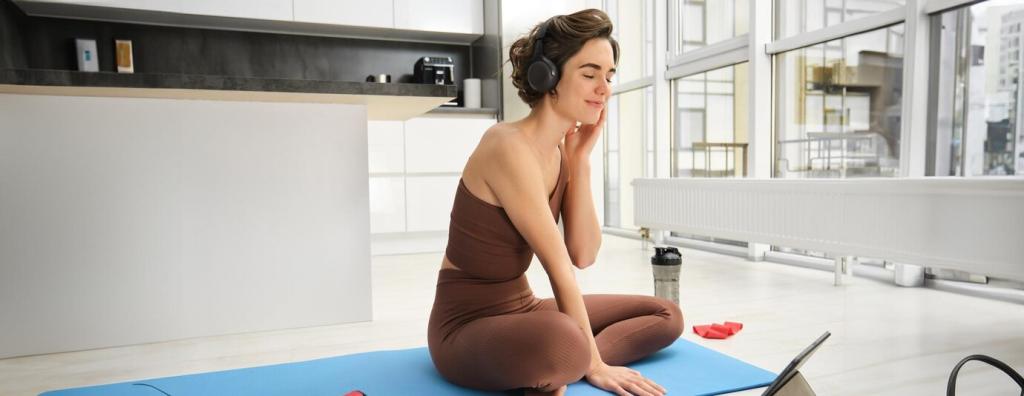
Overcoming Plateaus with Mental Rehearsal

Rewrite the Sticking Point

Identify the exact second progress dies—the hill midpoint, the bar’s slowest inch, or the breath that turns choppy. Visualize that moment transforming: smoother path, tighter brace, calmer eyes. Repeat the improved scene repeatedly until it feels familiar, then test it in training. Report back with what changed.

Habit Stack Visualization Before Training

Attach a two-minute visualization to a routine you already do—tying shoelaces or filling your bottle. Consistency beats length. Preview your first set, your best rep, and your closing mindset. Over weeks, this tiny ritual becomes a performance switch you trust. Set a reminder and track how often you practice.

From Self-Talk to Cue Words

Replace noisy self-talk with one or two cue words—“tall,” “smooth,” or “drive.” See the word appear in your mind right before the key effort. Let it cut through chatter. Share your chosen cue in the comments, and notice whether it changes your pacing, bracing, or patience under fatigue.

Stories That Prove It Works

01

Maya’s First 5K Without Walking

Maya mapped the course, then visualized each landmark with calm breath. When the longest hill showed up, she imagined cresting while repeating “steady.” She finished without walking for the first time. Her takeaway: seeing the tough spots beforehand softened them when they arrived. Share your next course landmark below.
02

Jordan’s Squat Depth Breakthrough

Jordan pictured knees tracking, hips opening, and the exact sensation of depth before every session. He rehearsed bracing during the descent and staying patient in the pocket. Two weeks later, depth became consistent across sets. His note: the body followed the movie the mind kept playing. What’s your scene?
03

Lena’s Shoulder Rehab Comeback

While rehabbing, Lena used gentle breath-led imagery to visualize smooth, pain-free movement arcs and strong support muscles engaging in sequence. She paired patience with gratitude each session. Range improved, and confidence returned. She now visualizes cooldowns as clearly as warm-ups. Comment if you want her prehab checklist template.

Visualization Journal Template

After each session, jot three lines: intention, main image, and post-workout feeling. Add one line on what to refine tomorrow. Over a month, patterns emerge—what imagery sticks, which cues unlock form, and how mood shifts. Post your favorite line this week to inspire another reader’s practice.

Simple Signals: Breath, Heart, Mood

Track easy markers: how quickly breath settles, perceived exertion, and mood thirty minutes later. Visualization that reduces post-workout noise often boosts recovery. If numbers help, note heart rate during warm-up while imagining calm control. Celebrate micro-improvements; they compound into confidence that shows up on test day.
Robertrecipes
Privacy Overview

This website uses cookies so that we can provide you with the best user experience possible. Cookie information is stored in your browser and performs functions such as recognising you when you return to our website and helping our team to understand which sections of the website you find most interesting and useful.