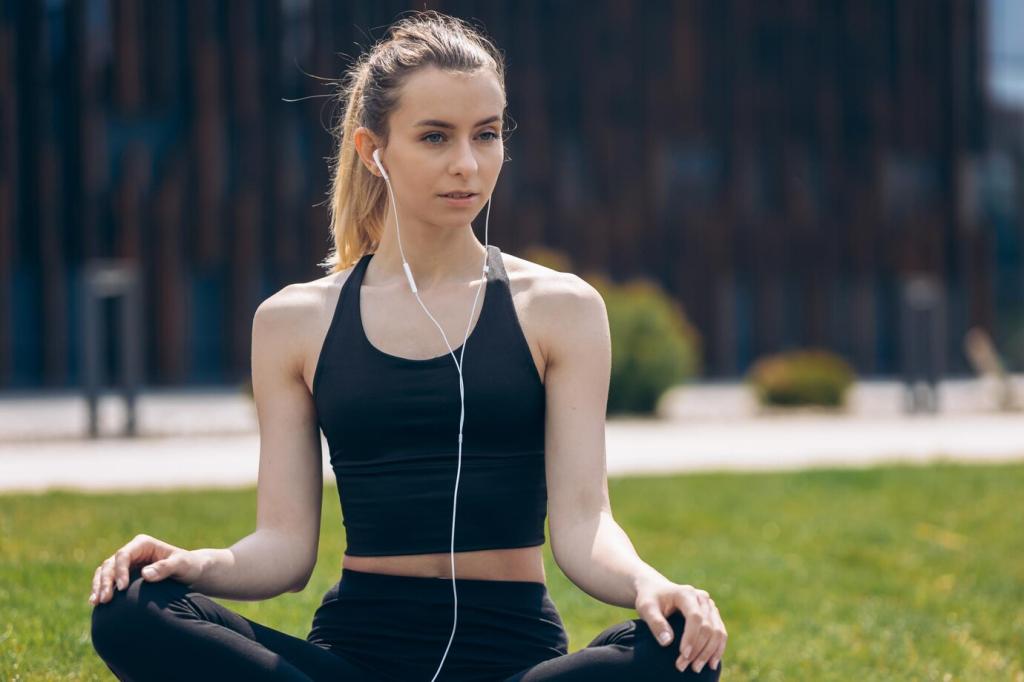
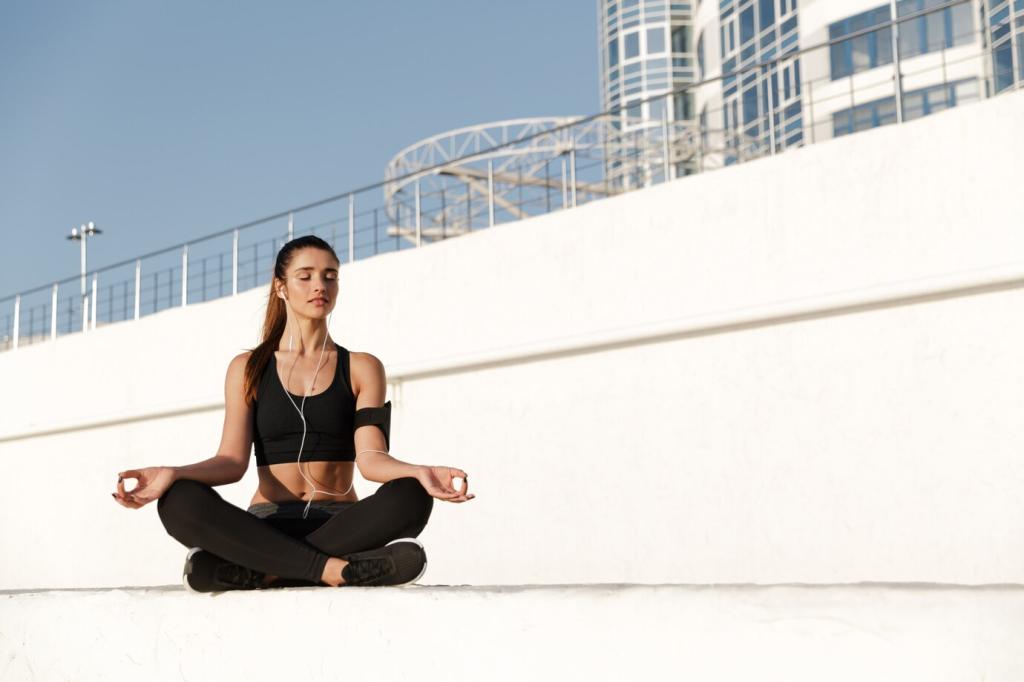
Chosen theme: Guided Meditations for Muscle Recovery. Welcome to a calm corner where breath, focus, and gentle imagery help tired muscles rebound faster. Settle in, press play on your inner coach, and let your body learn the art of deliberate recovery.

The Relaxation Response and Tissue Repair

Guided meditations activate the relaxation response, enhancing parasympathetic tone and gentle vasodilation that supports nutrient delivery to stressed fibers. Reduced stress hormones may help regulate inflammation, creating conditions where microtears knit more effectively while your mind stays steady and present.

From Fight-or-Flight to Rest-and-Repair

After tough sessions, your nervous system can linger in high alert. Focused breathing nudges the vagus nerve, boosting heart rate variability and lowering cortisol. That shift into rest-and-repair is like easing off the gas pedal, letting muscles rebuild without unnecessary background tension.

Diaphragmatic Breathing Setup

Lie down with a hand on your belly and one on your ribs. Inhale through the nose, letting the lower ribs expand sideways. Exhale longer than you inhale. This simple pattern increases oxygen efficiency and signals safety, which your muscles interpret as permission to loosen.

Box Breathing After Training

Inhale four counts, hold four, exhale four, hold four. Repeat for three to five minutes. Box breathing steadies the mind, eases post-exertion jitters, and helps transition from performance to recovery. Share how many rounds help you most in the comments to inspire others.

Coherent Breathing and HRV

Breathe at five to six breaths per minute to encourage coherent heart rhythms and improved heart rate variability. This calm cadence can reduce muscle guarding and quiet racing thoughts. Try three minutes before stretching, then note how mobility and soreness feel immediately afterwards.
Ten-Minute Body Scan Script
Start at your toes, noticing sensation without judgment. Move slowly through calves, quads, glutes, and up the spine to neck and jaw. With each exhale, imagine heaviness leaving the area. Ten minutes of steady awareness can soften bracing and invite natural, restorative circulation.
Progressive Muscle Relaxation Blend
Gently contract a muscle group for five seconds, then release while exhaling. Pair it with a phrase like soften and lengthen. Progress upward through major groups. This contrast highlights residual tension and teaches the nervous system what true release feels like after training.
Warmth and Circulation Visualization
Picture a slow golden wave moving through sore fibers, bringing oxygen and whisking away metabolic byproducts. Visuals are not fluff; imagery can influence breath depth and muscle tone. Let each inhalation paint warmth, and each exhalation clear a little more heaviness and fatigue.

Targeted Sessions for Different Training Days

After Heavy Lifts

Use deeper exhales and slower pacing to unwind high-threshold motor units. Visualize joint spaces uncompressing and tendons gliding smoothly. Finish with gratitude for strong effort, and invite tomorrow’s technique to feel crisp. Comment with your favorite cues for squats, deadlifts, or presses.

Following Long Runs or Rides

Focus on calves, hamstrings, and hips. Imagine cool river water flowing downward, rinsing heat and stiffness. Pair light breath holds with gentle ankle circles. End with a brief loving-kindness note to your feet, thanking them for every mile and every resilient step forward.

On Rest Days and Deloads

Keep it playful. Try shorter sessions sprinkled throughout the day. Use soft bell timers and emphasize curiosity about subtle sensations. Rest days are perfect for reinforcing calm baselines so your next hard session begins from ease rather than accumulated tension.

Sleep-Ready Recovery Meditations

Dim lights, set your phone aside, and breathe in a six-second inhale and eight-second exhale. Scan your body once, name three gratitudes, and remind your muscles they are safe to release. This simple ritual trains your brain to associate bedtime with restoration.

Sleep-Ready Recovery Meditations

Rotate attention through body parts in a steady rhythm while maintaining effortless breathing. This practice can nudge the nervous system toward deep rest, reducing tossing and turning. Many athletes report waking with lighter legs and a clearer head after consistent Nidra sessions.

Sleep-Ready Recovery Meditations

Before coffee, sit for three minutes and scan your breath, legs, and back. Ask, what feels fresh, and what needs care. This mindful check helps adjust training loads intelligently and prevents pushing through soreness that would benefit from another day of recovery.

Sleep-Ready Recovery Meditations

Lorem ipsum dolor sit amet, consectetur adipiscing elit. Ut elit tellus, luctus nec ullamcorper mattis, pulvinar dapibus leo.
Mindful Mobility and Myofascial Awareness

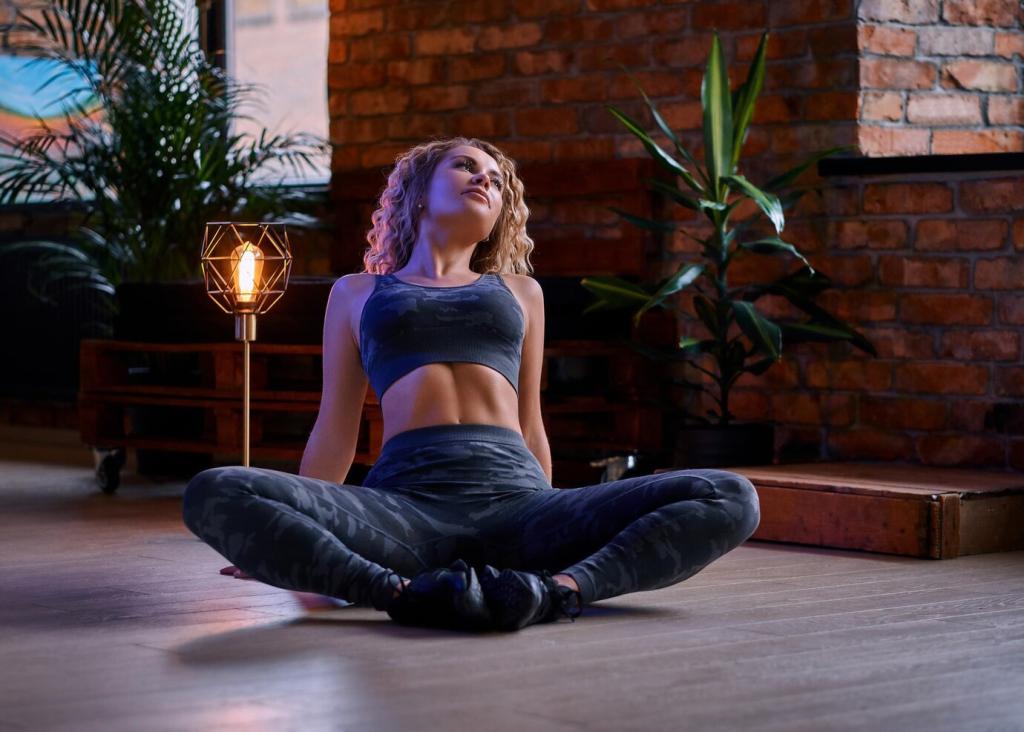
Move on the exhale when tissues naturally soften. Think cat-cow, hip cars, and thoracic rotations synchronized with breath. Noticing subtle ease after each cycle teaches your system that movement can be safe, pain-free, and companion to healing rather than a threat.

Habit Stacking and Cues

Attach a five-minute meditation to something you already do, like rehydrating or hanging up your gym bag. Cues reduce friction, and brief sessions add up. Tell us your chosen cue so others can borrow it and build their own reliable routine.

Reflect and Measure

Track soreness scores, sleep quality, and mood beside meditation notes. Patterns emerge quickly. When a practice reliably improves your mornings, motivation sticks. Share one metric you will watch this week, and check back to celebrate your small, steady wins with the community.

Write Your Own Recovery Script

Personal language matters. Draft a short script using your favorite images, like warm sunlight or ocean tides. Record it on your phone and test it after workouts. Your voice can become a trustworthy signal that it is safe for muscles to release.

Join the Recovery Conversation

Comment with the muscle groups that feel most taxed right now and what movements triggered them. We will craft upcoming guided meditations tailored to those areas, helping you feel seen, supported, and better prepared for your next training block.
Do certain words instantly help you soften, such as heavy, warm, or spacious. Post them, and why they work. Language can be a powerful lever. Your cue might become someone else’s breakthrough moment during a tough recovery week.
Subscribe to receive new guided meditations for muscle recovery every week, plus challenges that keep you consistent. Bring a friend, train smarter together, and let this community cheer for each small step toward stronger, calmer, more resilient performance.
Robertrecipes
Privacy Overview

This website uses cookies so that we can provide you with the best user experience possible. Cookie information is stored in your browser and performs functions such as recognising you when you return to our website and helping our team to understand which sections of the website you find most interesting and useful.